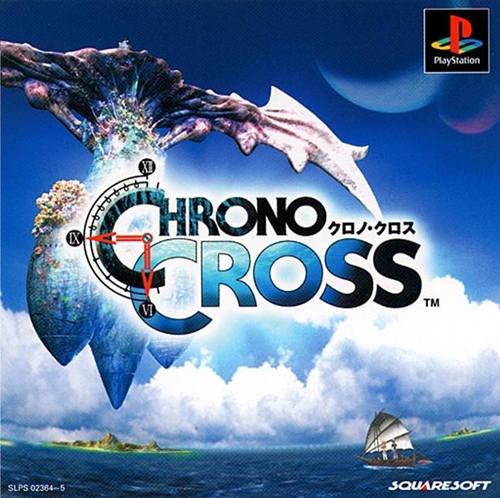
Chrono Cross lore is one of the most fascinating and complex stories in classic JRPG history. More than a simple adventure across islands, Chrono Cross explores parallel worlds, identity, memory, destiny, and the emotional weight of choices that were never supposed to exist.
Affiliate disclosure: this article contains affiliate links. If you buy through them, Broken Build Studios may earn a small commission at no extra cost to you.
Why Chrono Cross Lore Still Matters
At first glance, Chrono Cross looks like a colorful island RPG about a boy named Serge who discovers another version of his world. But underneath that simple hook, the game builds one of the most layered narratives of the PlayStation era.
The story is not only about saving the world. It is about what happens when reality itself branches, when one life continues and another disappears, and when the people living inside those timelines are forced to deal with consequences they never chose.
The Core Idea: Two Worlds, One Broken Reality
The central structure of Chrono Cross is built around two parallel dimensions: Home World and Another World.
In one world, Serge is alive. In the other, Serge died as a child. This difference seems personal at first, but it becomes the foundation for the entire narrative. The existence of these two realities shows how one event can reshape history, relationships, politics, and even the natural balance of the world.
That is what makes the game so powerful from a storytelling perspective. The player is not just traveling through different locations. They are constantly comparing two versions of existence and seeing how absence can be just as important as presence.
Serge and the Question of Identity
Serge is not a traditional loud RPG protagonist. He is mostly silent, but the world reacts to him in ways that make his identity feel unstable. In one reality, he belongs. In another, he is a ghost from a life that should have ended.
This makes his journey feel strange and personal. Serge is not only trying to understand what happened to him. He is trying to understand why his existence matters so much to forces far beyond his control.
The lore of Chrono Cross uses Serge as a living contradiction. He is both ordinary and central to the fate of reality. That contrast gives the story its dreamlike quality.
Kid, Schala, and the Emotional Heart of the Story
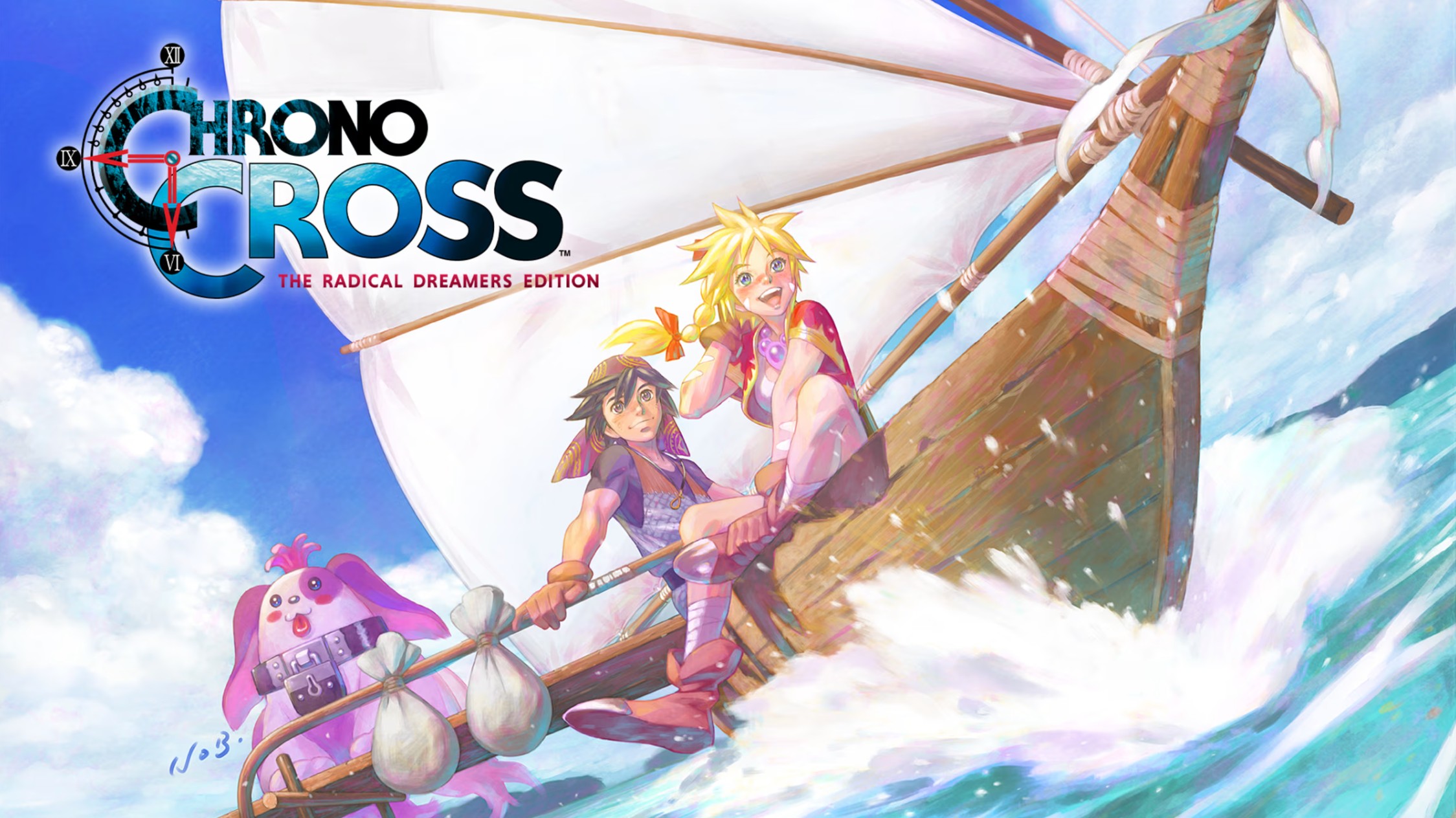
Kid is one of the most important characters in Chrono Cross. On the surface, she is a thief with attitude, energy, and a personal mission. But as the story unfolds, her role becomes much more tragic and meaningful.
Her connection to Schala gives the game a direct emotional bridge to Chrono Trigger. Schala’s fate, the Time Devourer, and the fractured nature of the world transform Kid from a simple companion into a symbol of loss, hope, and rescue across time.
This is where Chrono Cross becomes more than a sequel. It becomes a meditation on unresolved pain. The game asks what happens when someone is trapped by history, and whether love, memory, and connection can still reach them.
FATE, Control, and the Artificial Order of El Nido
One of the most interesting parts of Chrono Cross lore is the role of FATE. In the world of El Nido, FATE acts almost like an invisible system of control, guiding human lives and shaping the development of civilization.
From a game design and narrative perspective, this is a strong idea. Many RPGs use destiny as a heroic concept, but Chrono Cross treats destiny as something suspicious. If people are being guided without knowing it, are they truly free?
This gives the story a more philosophical tone. The conflict is not only against monsters or villains. It is against systems that decide what life should be.
The Dragons and the Natural World
The Dragon Gods represent another major layer of the game’s lore. They connect the story to nature, ancient forces, and the tension between humanity and the planet itself.
In many classic RPGs, elemental beings exist mostly as bosses or sources of magic. In Chrono Cross, they carry a deeper narrative purpose. They show that the world of El Nido is not neutral. It has history, memory, and anger.
This is one reason the game feels so different from more traditional console RPGs. The conflict is ecological, spiritual, emotional, and metaphysical at the same time.
Why the Story Feels Confusing but Powerful
Chrono Cross can feel overwhelming because it does not explain everything in a simple linear way. The player has to connect names, places, timelines, characters, and ideas across a long journey.
But that confusion is also part of its identity. The game feels like a memory you are trying to reconstruct. It is fragmented by design, and that fragmentation matches its themes of parallel lives and broken history.
For players who enjoy RPG storytelling, this makes Chrono Cross especially rewarding. It is not always clean, but it is ambitious, emotional, and strangely unforgettable.
A JRPG About Possibility, Loss, and Choice
At its core, Chrono Cross is about possibility. Every person could have lived another life. Every world could have taken another path. Every choice leaves something behind.
That is why the game still resonates. It uses fantasy, turn-based combat, parallel worlds, and JRPG structure to talk about something deeply human: the feeling that life is made of roads we took and roads we lost forever.
Why Chrono Cross Deserves to Be Remembered
Chrono Cross remains important because it dared to be strange. It did not simply repeat Chrono Trigger. It expanded the universe in a more melancholic, experimental, and philosophical direction.
For indie developers, RPG fans, and writers, it is a valuable study in atmosphere, narrative risk, and emotional worldbuilding. Its lore may be complex, but its heart is clear: identity matters, memory matters, and even broken realities can still search for healing.
If you enjoy classic JRPGs with layered storytelling, experimental combat systems, and a world that rewards interpretation, Chrono Cross is still worth revisiting today.