Affiliate disclosure: this article contains affiliate links. If you buy through them, Broken Build Studios may earn a small commission at no extra cost to you.
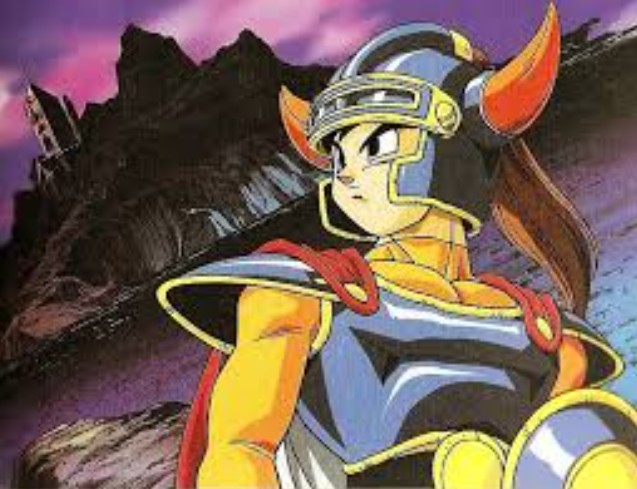
The Hero of Dragon Quest I is one of the most important protagonists in console RPG history, not because he is overloaded with dialogue, cutscenes, or dramatic backstory, but because he represents the purest form of the classic RPG hero: a lone adventurer, a legendary bloodline, a kingdom in crisis, and a world waiting to be restored.
In Dragon Quest I, the hero is introduced as a descendant of Erdrick, the legendary figure whose name carries enormous weight across the early Dragon Quest mythology. His mission is direct: travel through Alefgard, confront the Dragonlord, rescue Princess Gwaelin, and restore light to the world.
Who Is the Hero of Dragon Quest I?
The Hero of Dragon Quest I is not written like many modern RPG protagonists. He does not have long monologues, a party of companions, or a heavily detailed personal history. Instead, he functions almost like a bridge between the player and the world of Alefgard.
He arrives as the chosen descendant of Erdrick, carrying the burden of a legend that came before him. This is important because Dragon Quest I uses lineage as a core storytelling device. The hero is not powerful simply because the game says he is special. He must prove that legacy through exploration, survival, combat, and discovery.
The Hero’s Motivation: Duty, Legacy, and Restoration
The main motivation of the Dragon Quest I Hero is built around duty. Alefgard has fallen under the shadow of the Dragonlord, monsters roam the land, and Princess Gwaelin has been taken. The hero’s journey is about restoring balance to a world that has lost its light.
What makes this motivation interesting is how simple it is. There is no need for excessive exposition. The player understands the stakes immediately: evil has returned, the kingdom is afraid, and someone must walk into danger alone. That simplicity became one of Dragon Quest’s strongest design foundations.
Why the Hero Being Alone Matters
Unlike many later JRPGs, the Hero of Dragon Quest I travels alone. This gives the adventure a very specific feeling. Every battle matters. Every step outside town feels risky. Every new weapon, piece of armor, and spell becomes part of the player’s personal progression.
From a game design perspective, this creates a clean RPG loop: explore, fight, earn gold, upgrade equipment, survive farther, and uncover the next part of the world. The hero’s silence helps reinforce this structure because the player projects their own sense of fear, courage, and discovery onto him.
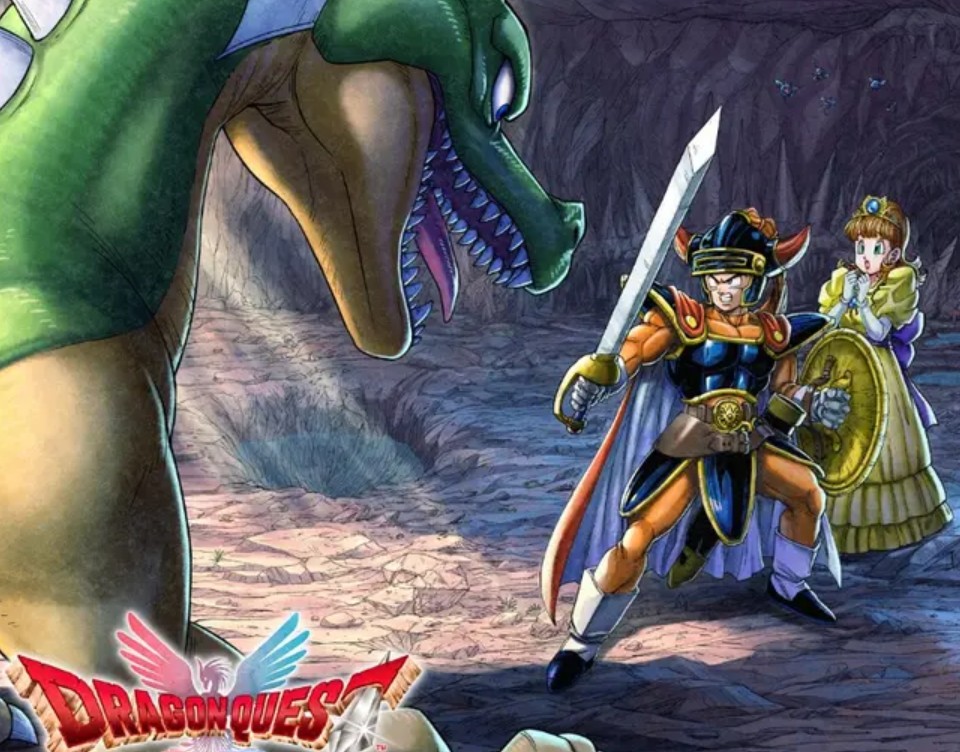
Is There Romance in Dragon Quest I?
Yes, but it is handled in a very early RPG style. Princess Gwaelin is the central romantic figure connected to the hero. After being rescued, she expresses affection toward him, and the ending can be read as the beginning of a shared future between them.
However, this romance is not developed like a modern relationship system. There are no long bonding scenes, branching romance routes, or emotional party conversations. Instead, the romance works more like a fairy-tale reward and a symbolic conclusion: the hero saves the kingdom, defeats the evil power, and leaves Alefgard with the princess to begin a new chapter.
Princess Gwaelin’s Role in the Hero’s Journey
Princess Gwaelin gives the adventure a more personal objective beyond simply defeating the Dragonlord. Saving the world is the large-scale goal, but rescuing her gives the player a human reason to push forward.
In many ways, she represents the kingdom itself. Her capture shows that Alefgard has been wounded at its heart, and her rescue signals that hope can return before the final confrontation even begins.
The Dragonlord and the Hero’s Moral Test
The Dragonlord is not only a final boss. He also represents temptation. Near the end of the adventure, the hero is offered power instead of duty. This moment is simple, but it gives the story an important RPG choice: does the hero remain loyal to his mission, or abandon the world for personal gain?
That choice helps define the hero’s character. Even with minimal dialogue, the player understands what kind of figure he is meant to be: not just strong, but worthy of the legacy of Erdrick.
How the Dragon Quest I Hero Inspired RPG Protagonists
The Hero of Dragon Quest I helped shape the identity of the console RPG protagonist. His silent nature, legendary ancestry, equipment-based progression, and journey across a dangerous overworld became part of the genre’s DNA.
Many RPGs that came later would expand these ideas with deeper party systems, emotional arcs, job classes, cinematic storytelling, and complex combat. But the foundation is already here: a hero, a map, monsters, towns, treasure, and a final evil waiting beyond the horizon.
Why the Hero Still Works Today
The Dragon Quest I Hero still works because he is archetypal. He is not defined by excessive detail, but by purpose. He is the adventurer stepping into the unknown. He is the player learning the rhythm of RPG survival. He is the beginning of a lineage that would influence decades of fantasy game design.
For modern players, he may seem simple at first. But that simplicity is exactly what makes him important. He shows how much emotion and progression can exist inside a clean RPG structure when the world, music, combat, and sense of danger are working together.
Strong Ending: The Hero as a Symbol of Classic RPG Design
The Hero of Dragon Quest I is more than an early JRPG protagonist. He is a symbol of where console RPGs began: focused, dangerous, mysterious, and deeply connected to the player’s imagination. His motivation is duty. His inspiration is legacy. His romance with Princess Gwaelin gives the journey a fairy-tale quality. And his silence allows every player to become part of the legend.
If you want to experience or revisit one of the most important foundations of console RPG history, Dragon Quest I remains a fascinating look at how a simple hero can carry an entire genre on his shoulders.