
Few RPGs from the PlayStation era managed to create an atmosphere quite like Chrono Cross. Released as a spiritual successor to Chrono Trigger rather than a direct continuation, the game took a far more introspective and experimental direction. Instead of focusing purely on time travel adventure, Chrono Cross explored identity, parallel worlds, destiny, loss, and the consequences of human actions across realities.
One of the game’s greatest strengths is its worldbuilding. El Nido feels alive, colorful, and deeply melancholic at the same time. From quiet villages to mysterious dimensions, the game constantly reinforces the feeling that every choice and every existence matters. Combined with Yasunori Mitsuda’s legendary soundtrack, Chrono Cross created an emotional tone that still stands out among classic JRPGs today.
Mechanically, the battle system also dared to be different. Rather than relying on traditional MP systems, Chrono Cross introduced an Element-based combat structure tied to stamina and field effects. The result was a system that rewarded experimentation and strategy while giving combat a unique rhythm compared to other RPGs of its generation.
The game is also remembered for its enormous roster of playable characters. While not every character received deep narrative development, the sheer variety added personality and replay value to the experience. More importantly, it reinforced the game’s core themes about alternate lives, possibilities, and fragmented identities.
Chrono Cross remains important not only because of its connection to Chrono Trigger, but because it was willing to take creative risks. It represents an era where JRPGs experimented heavily with storytelling structure, visual identity, and emotional tone. Even decades later, it continues to inspire RPG fans, narrative designers, and indie developers searching for games that feel personal, mysterious, and unforgettable.
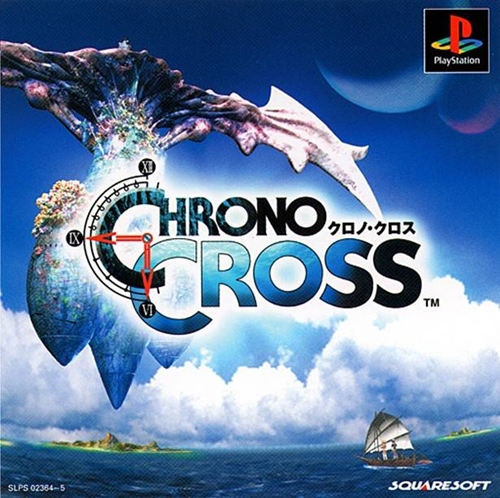 Chrono Cross Lore Explained: Tragedy Behind El Nido