
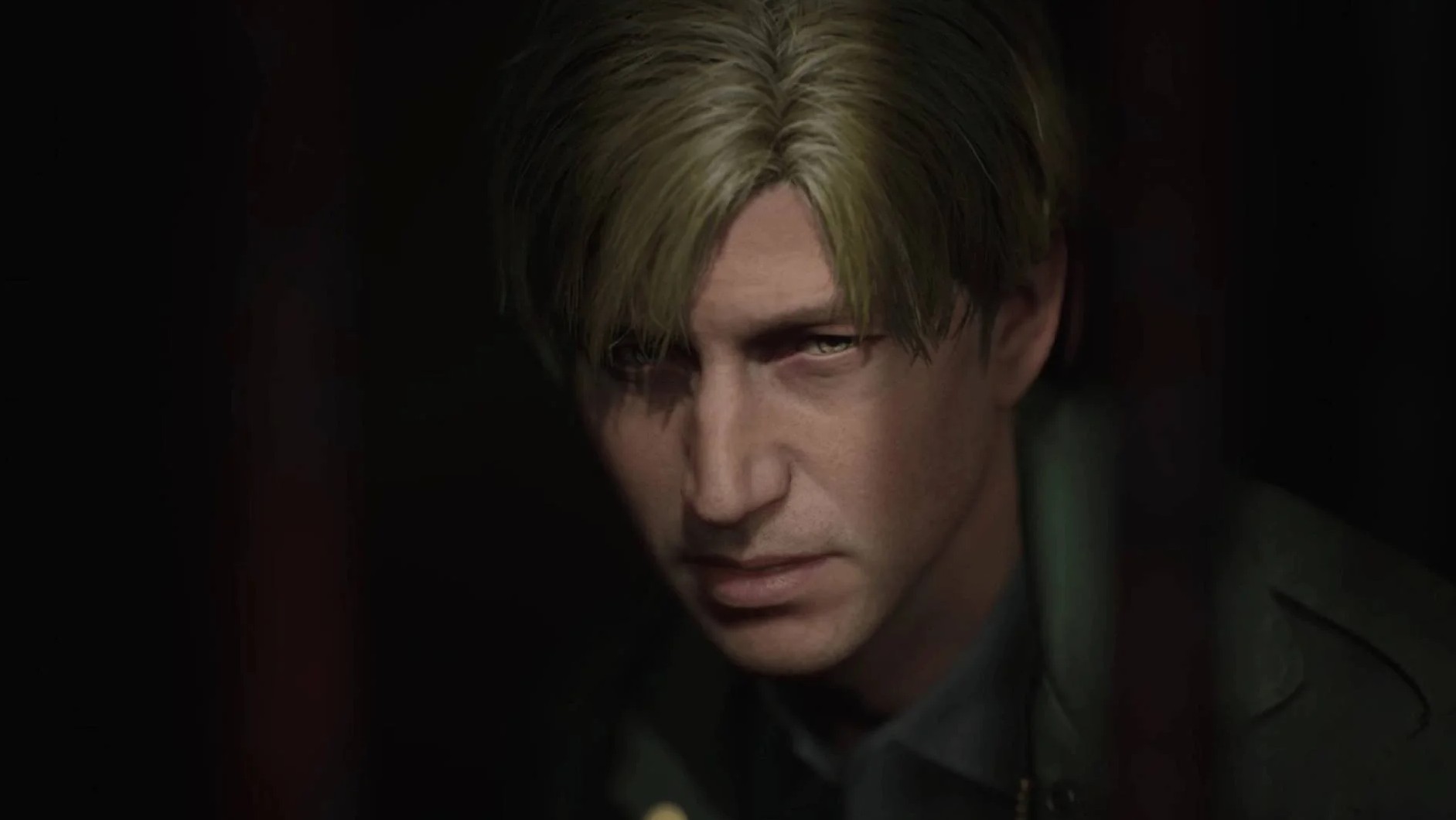
James Sunderland Explained: Why He Went to Silent Hill
Affiliate disclosure: this article contains affiliate links. If you buy through them, Broken Build Studios may earn a small commission at no extra cost to you.
James Sunderland is one of the most fascinating protagonists in survival horror history. At first glance, his journey in Silent Hill 2 seems straightforward: he receives a letter from his wife Mary, who supposedly died three years earlier, asking him to meet her in Silent Hill. Yet the deeper players travel into the fog-covered town, the more complicated that premise becomes.
Understanding why James Sunderland went to Silent Hill requires looking beyond the surface narrative. His story is not simply about finding a lost loved one. It is about grief, denial, guilt, self-punishment, and the fragile ways the human mind protects itself from unbearable truths.
For players revisiting the game or discovering it through modern releases, Silent Hill 2 and related horror collections remain essential experiences for understanding narrative design in video games.
Why Did James Sunderland Go to Silent Hill?
The direct answer is simple: James believed a letter from Mary invited him back to Silent Hill.
However, the psychological answer is far more complex. The letter serves as a catalyst rather than the true reason. Deep within his subconscious, James is searching for something else entirely: understanding, punishment, and perhaps forgiveness.
Silent Hill functions less as a physical destination and more as a reflection of the emotional burdens carried by those who enter it. For James, the town manifests memories, fears, regrets, and aspects of himself he desperately wants to avoid confronting.
The Tragedy Behind Mary’s Illness
Before the events of Silent Hill 2, Mary suffered from a terminal illness that dramatically altered both her life and James’s.
Her condition brought years of emotional strain, isolation, and frustration. The relationship between the two became increasingly difficult as Mary struggled with pain, hopelessness, and the loss of the future they had imagined together.
One of Silent Hill 2’s greatest strengths is that it refuses to present either character as purely innocent or purely guilty. Instead, it explores how prolonged suffering affects real people.
James loved Mary. At the same time, he also experienced exhaustion, resentment, loneliness, and emotional conflict. Those contradictions become central to understanding his journey.
How Silent Hill Reflects James’s Mind
Unlike many horror games that rely solely on external threats, Silent Hill 2 builds its horror through psychological symbolism.
The monsters, environments, and encounters James experiences often appear connected to his hidden emotions and personal trauma.
- Fog obscures clarity and truth.
- Abandoned locations mirror emotional emptiness.
- Hostile creatures reflect guilt, fear, and repression.
- Recurring imagery forces James to confront memories he wishes to escape.
This approach transformed Silent Hill 2 into one of gaming’s most influential examples of environmental storytelling and psychological narrative design.
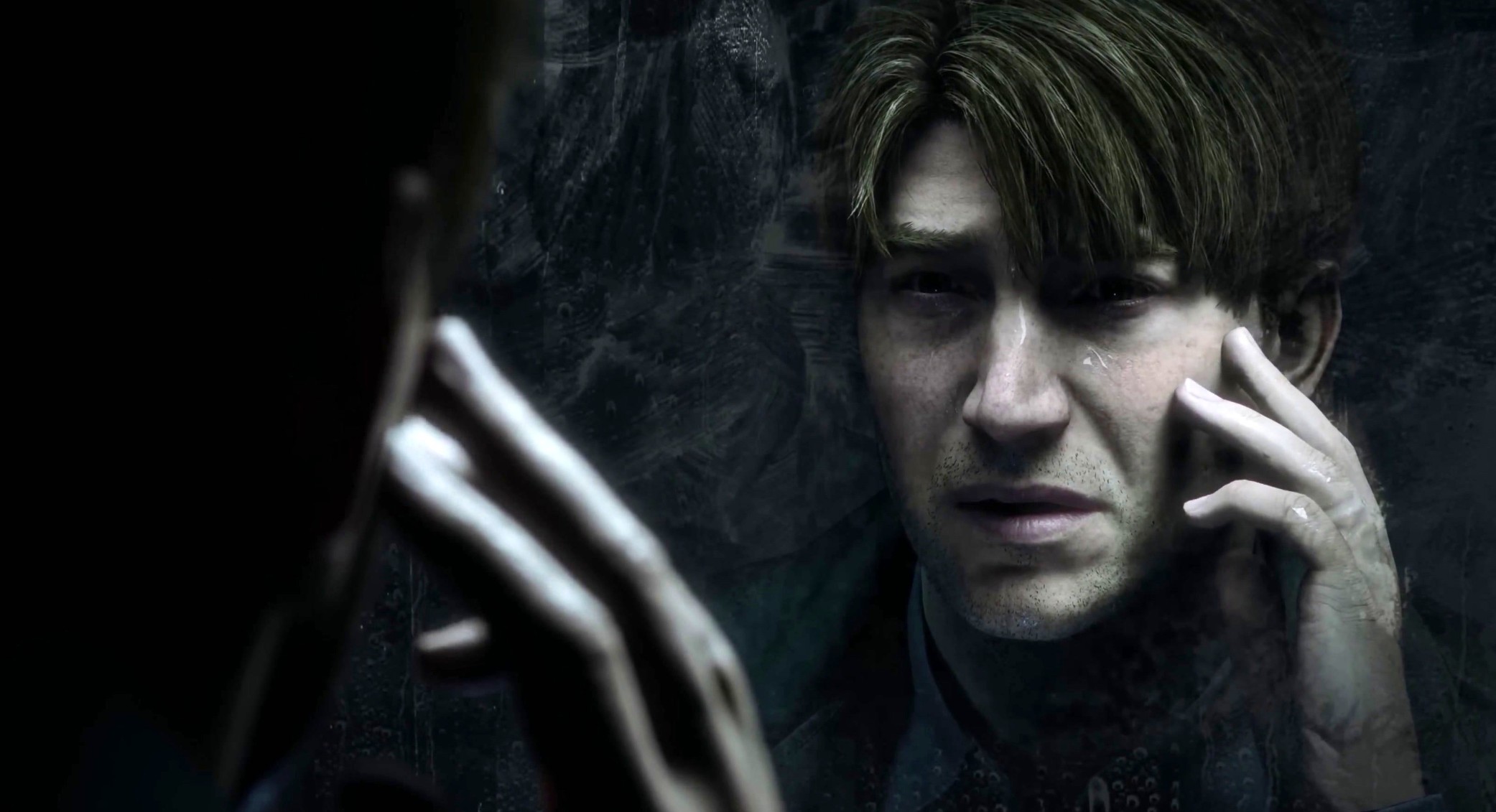
Who Is Pyramid Head Really?
Pyramid Head is often mistaken for a traditional villain, but his narrative role is much deeper.
Many interpretations view Pyramid Head as a manifestation of James’s desire for punishment. The creature appears repeatedly throughout the story, forcing James toward truths he has buried within his subconscious.
Rather than existing simply to terrorize the protagonist, Pyramid Head acts almost like an executioner created from James’s own guilt.
This symbolism remains one of the most discussed aspects of horror game storytelling and is a major reason why Pyramid Head became an iconic figure in gaming culture.
James Sunderland’s Character Evolution
The most important aspect of Silent Hill 2 is not defeating monsters or reaching the end of the town.
It is James’s gradual confrontation with reality.
Throughout the game, players witness a man moving through several psychological stages:
- Denial of painful truths.
- Confusion and self-deception.
- Confrontation with suppressed memories.
- Acceptance of responsibility.
- The search for redemption or peace.
This progression resembles a deeply personal character study rather than a conventional survival horror plot.
Few protagonists in gaming undergo such a psychologically layered transformation, which explains why James remains relevant decades after the game’s original release.
Why James Still Resonates With Players Today
Many video game heroes are defined by power, confidence, or clear moral certainty.
James Sunderland is memorable because he feels human.
His flaws are uncomfortable. His decisions are difficult to defend. His emotions are contradictory. Yet those qualities make him one of the most believable protagonists ever written.
Players are not simply watching a horror story unfold. They are witnessing a person struggling against grief, memory, and self-awareness.
That emotional authenticity is what continues to separate Silent Hill 2 from countless horror games that followed.
FAQ
Why did James receive a letter from Mary if she was dead?
The letter is generally interpreted as a manifestation connected to James’s subconscious and the psychological nature of Silent Hill rather than a literal message.
Did James know the truth before arriving in Silent Hill?
Most interpretations suggest he had repressed the truth. His journey gradually forces those memories back to the surface.
Why is Pyramid Head obsessed with James?
Pyramid Head is commonly viewed as a symbolic embodiment of James’s guilt and desire for punishment.
Is Silent Hill 2 more psychological than supernatural?
Yes. While supernatural elements exist, the game’s primary focus is psychological horror and character exploration.
Why is James Sunderland considered one of gaming’s best characters?
Because his story explores complex human emotions with unusual depth, making him feel more realistic than many traditional video game protagonists.
A Journey Through Guilt, Memory, and Self-Acceptance
James Sunderland entered Silent Hill believing he was searching for his wife. What he ultimately found was a confrontation with himself.
His story remains one of the strongest examples of character-driven storytelling in video games, demonstrating how horror can be used not merely to frighten players but to explore grief, accountability, and emotional truth.
If you want to experience one of gaming’s most influential psychological narratives firsthand, consider checking out Silent Hill-related games and collections here and see why James Sunderland’s journey continues to be discussed decades later.