What Is the T-Virus in Resident Evil? Understanding the Virus Behind the Horror
Affiliate disclosure: this article contains affiliate links. If you buy through them, Broken Build Studios may earn a small commission at no extra cost to you.
The T-Virus is one of the most important concepts in the entire Resident Evil franchise. While many players associate it exclusively with zombies, the reality is much more complex. The virus began as an experimental biological weapon, but over time it became the foundation for increasingly dangerous mutations, monstrous creatures, and powerful Bio-Organic Weapons (B.O.W.s).
One reason many fans become confused is that early Resident Evil games focused heavily on traditional zombies, while later entries introduced intelligent monsters, giant mutations, and even enhanced humans. This raises a common question: if the T-Virus creates zombies, why did later infected individuals become something entirely different?
The answer lies in how the virus interacts with different hosts, genetic traits, and biological experimentation.
For players interested in exploring the origins of Resident Evil’s biohazards, collections such as Resident Evil games and merchandise provide a great way to revisit the series’ evolution.
What Exactly Is the T-Virus?
The T-Virus, short for Tyrant Virus, was developed by the Umbrella Corporation as part of its secret bio-weapons research program.
Its origins can be traced back to the Progenitor Virus, a rare pathogen discovered in Africa. Umbrella scientists believed they could modify this virus to create controllable biological weapons capable of replacing conventional military forces.
Rather than simply killing a host, the T-Virus aggressively rewrites living tissue. It affects:
- Cell regeneration
- Nervous system function
- Muscle development
- Brain activity
- Genetic expression
Because of these effects, infection outcomes vary dramatically from one individual to another.
Why Does the T-Virus Create Zombies?
Most people infected with the T-Virus cannot tolerate its cellular changes.
The virus damages higher brain functions while simultaneously increasing aggression and basic survival instincts. The result is the classic Resident Evil zombie: a slow-moving but relentless creature driven primarily by hunger.
These zombies are not technically dead in the supernatural sense. Instead, they are biologically altered humans whose bodies continue functioning despite catastrophic neurological damage.
This made zombies a useful side effect for Umbrella, but they were never the corporation’s ultimate goal.
Umbrella Wanted Weapons, Not Zombies
A common misconception is that zombies were the intended result of T-Virus research.
In reality, Umbrella considered zombies largely unsuccessful military assets. They were difficult to control, unpredictable, and lacked strategic intelligence.
The company’s true objective was the creation of advanced Bio-Organic Weapons capable of following commands while possessing superhuman strength and durability.
This is where creatures such as Hunters, Lickers, and Tyrants enter the picture.
Hunters
Hunters were genetically engineered organisms enhanced through viral experimentation. They retained greater mobility and combat effectiveness than ordinary zombies.
Lickers
Lickers represent a further stage of mutation. They evolved from infected humans whose bodies continued adapting after initial infection, resulting in heightened senses, increased speed, and terrifying offensive capabilities.
Tyrants
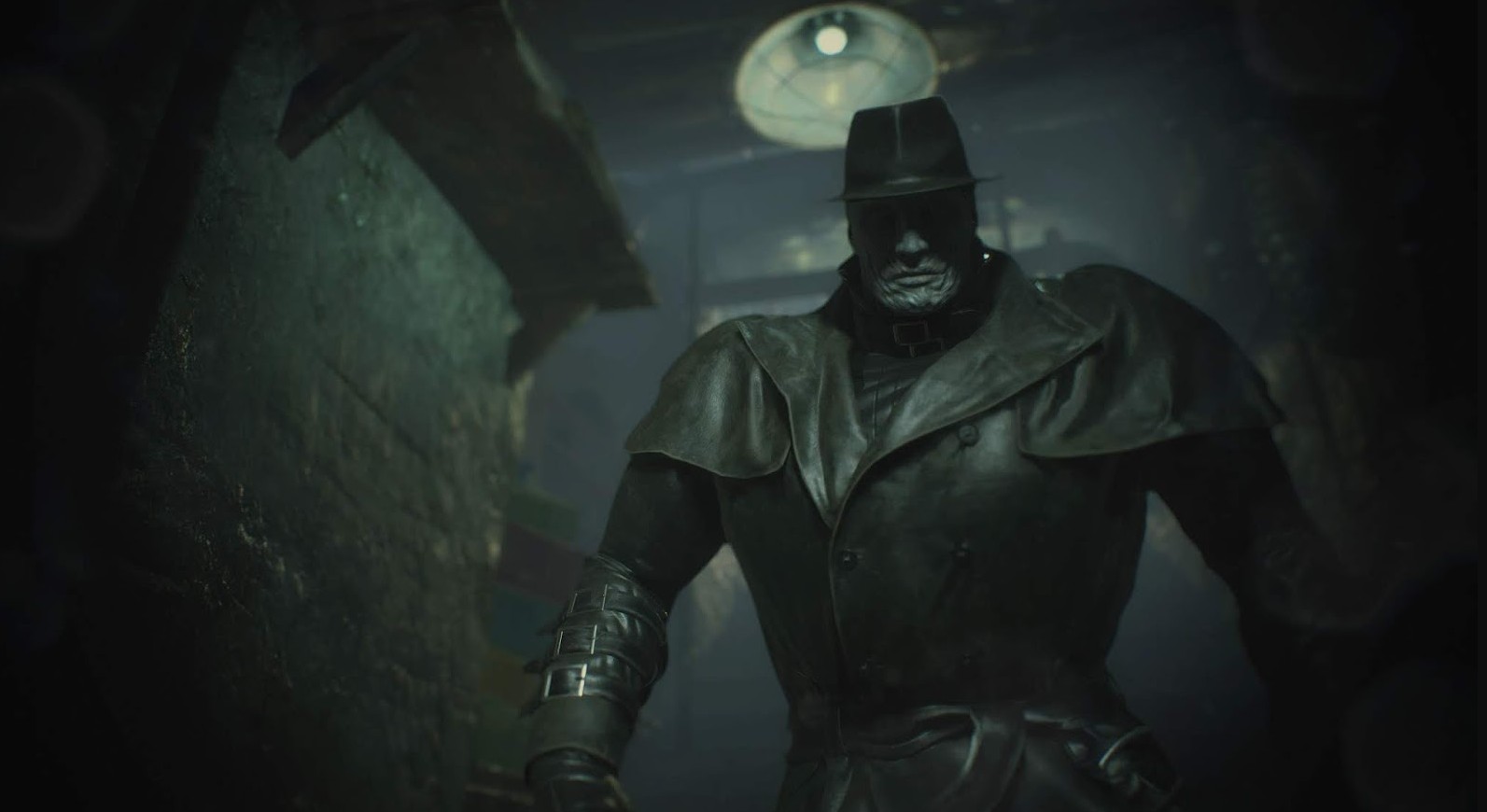
Tyrants were Umbrella’s greatest achievement with the T-Virus. Only rare individuals possessed the genetic compatibility necessary to survive infection while maintaining enough structure to become controllable super-soldiers.
This explains why the virus sometimes produces mindless monsters and other times creates powerful humanoid weapons.

Why Did Later Resident Evil Games Introduce Stronger Infected Humans?
As Resident Evil’s lore expanded, the series explored increasingly sophisticated biological agents.
The T-Virus served as the foundation for future research, leading to the development of:
- G-Virus
- T-Veronica Virus
- Las Plagas
- Uroboros
- C-Virus
- Mold and Megamycete organisms
Each new pathogen attempted to solve the limitations of previous experiments.
Scientists sought greater control, improved intelligence, stronger combat abilities, and more predictable mutation outcomes.
This progression mirrors a recurring theme throughout Resident Evil: humanity’s obsession with surpassing natural biological limits.
Is the T-Virus a Virus or a Parasite?
The T-Virus itself is a virus, but the confusion comes from how later Resident Evil games introduced parasitic organisms.
For example, Las Plagas in Resident Evil 4 is not a virus at all. It is a parasite capable of controlling hosts while preserving much of their intelligence.
This distinction explains why infected villagers behave very differently from traditional zombies.
While both viruses and parasites can alter behavior and physiology, they operate through entirely different biological mechanisms.
Why Do Some Characters Become Superhuman?
Certain characters possess unusual compatibility with viral agents.
Instead of suffering immediate degeneration, their bodies partially adapt to infection. In some cases, researchers deliberately combine viral strains with genetic engineering to create enhanced organisms.
This concept became increasingly important as Resident Evil shifted from pure survival horror toward broader bio-terrorism narratives.
Characters such as Albert Wesker demonstrate how viral experimentation can produce abilities far beyond those of ordinary infected hosts.
What Does the T-Virus Represent Thematically?
Beyond its role as a plot device, the T-Virus symbolizes one of Resident Evil’s central themes: scientific ambition without ethical restraint.
Umbrella repeatedly pursues technological breakthroughs while ignoring the human cost. Every outbreak demonstrates how the pursuit of power can spiral beyond control.
The virus is therefore more than a monster-creating pathogen. It serves as a warning about unchecked experimentation, corporate secrecy, and the consequences of treating life as a product.
FAQ
What does the T in T-Virus stand for?
The T stands for Tyrant, referring to Umbrella’s goal of creating powerful Tyrant-class Bio-Organic Weapons.
Are Resident Evil zombies dead?
In most cases, they are biologically infected humans rather than traditional undead creatures.
Why do some infected become monsters instead of zombies?
Genetic compatibility, mutation stages, and experimental modifications influence how the virus affects each host.
Is Las Plagas the same as the T-Virus?
No. Las Plagas is a parasite, while the T-Virus is a virus. They operate differently and produce distinct forms of infection.
Is the T-Virus still important in modern Resident Evil lore?
Yes. Even though newer biological agents have appeared, the T-Virus remains the foundation upon which much of Umbrella’s research was built.
The Legacy of Resident Evil’s Most Influential Bio-Weapon
The T-Virus began as a failed attempt to create controllable biological weapons, yet it became the defining force behind Resident Evil’s universe. From the zombies of Raccoon City to advanced bio-engineered monsters, nearly every major outbreak in the series traces its roots back to Umbrella’s early experiments.
Understanding the T-Virus helps explain why Resident Evil evolved beyond simple zombie horror into a complex world of bioengineering, corporate conspiracies, and ever-changing forms of biological terror.
If you want to revisit the games that introduced these iconic mutations, check out Resident Evil collections and related products here.