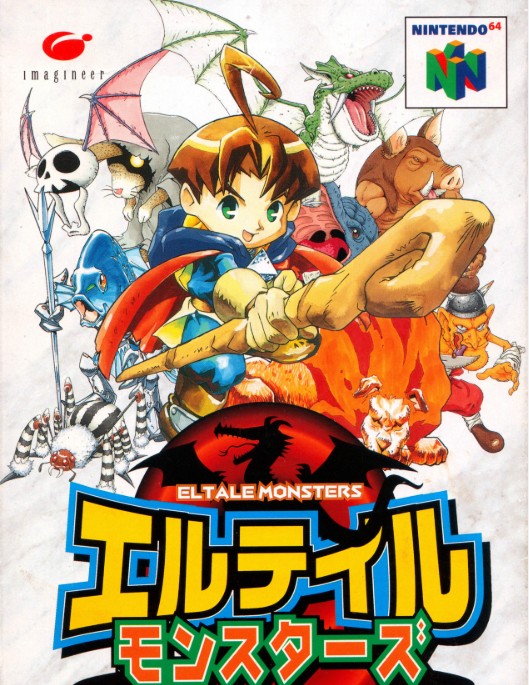
QUEST 64
Quest 64 is a Nintendo 64 role-playing game remembered for its simple structure, elemental magic system, and unusual place in the console’s library. While often seen as limited compared to other RPGs of its era, it still holds nostalgic value as one of the first RPG experiences many Nintendo 64 players encountered.
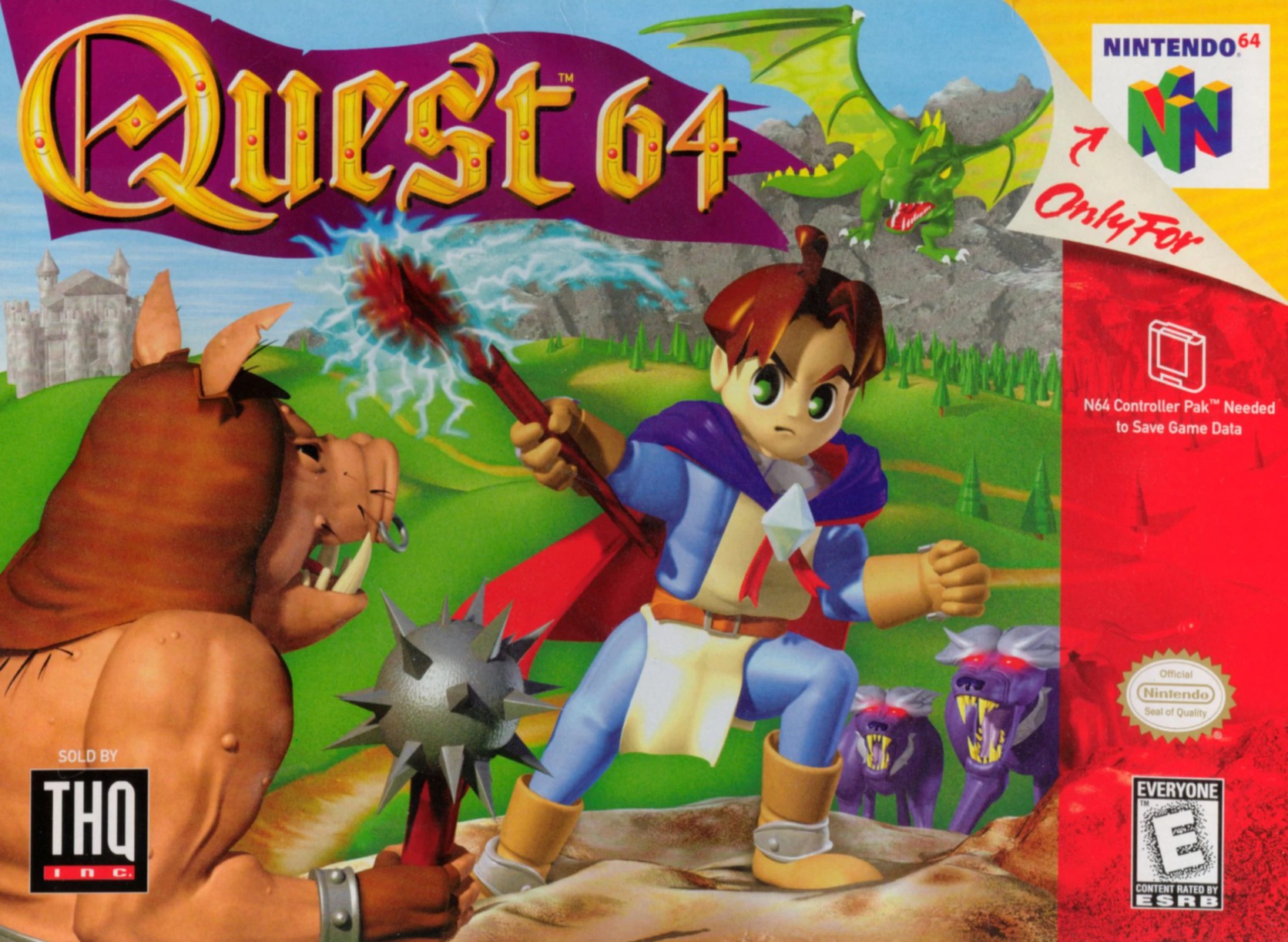
Game Overview
Quest 64 is one of those games that lives in a very specific corner of RPG history. Released for the Nintendo 64, it arrived during a time when the genre was being heavily shaped by cinematic storytelling, complex party systems, and larger narratives on competing platforms. Instead of following that same path, Quest 64 offered something much simpler: a young mage named Brian, a colorful fantasy world, and a combat system built around elemental magic.
From a design perspective, Quest 64 is interesting because it feels both ambitious and limited. It tried to bring a traditional RPG experience into 3D on a cartridge-based console, but with a very stripped-down approach to story, progression, and exploration. That simplicity is part of why the game can feel rough today, but it is also what makes it memorable. It represents a moment when developers were still figuring out what RPGs could look like in early 3D.
For Broken Build Studios, Quest 64 is worth covering because it shows how even imperfect RPGs can leave a lasting impression. Its elemental spell system, open battle spaces, and lonely journey through a fantasy world give it a distinct identity. It may not be the most refined RPG of its generation, but it remains a nostalgic and curious title for players who grew up with the Nintendo 64.
Curiosity
Quest 64 is often remembered as the first role-playing game released for the Nintendo 64 in North America, which gave it a special place in the console’s library despite its mixed reception.
Personal Opinion
People used to tell me that I looked like the protagonist, and that was actually how I discovered Quest 64. Because of that, the game has always had a funny and personal connection for me, even before I fully understood its place as an RPG.