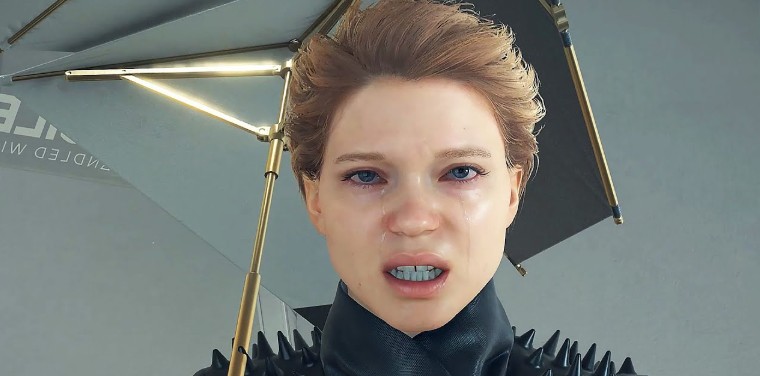
Why Do Characters in Death Stranding Have Powers?
Affiliate disclosure: this article contains affiliate links. If you buy through them, Broken Build Studios may earn a small commission at no extra cost to you.
One of the most fascinating aspects of Death Stranding is how its supernatural elements are treated almost like science. Unlike traditional RPGs or fantasy games where magic simply exists, Hideo Kojima’s world builds its powers around trauma, extinction, death, and the strange connection between humanity and another dimension known as the Beach.
As players explore the world of Sam Porter Bridges, they quickly notice that some characters possess abilities that seem impossible. Some can sense BTs. Others manipulate time, teleport through tar, or even return from death itself. Meanwhile, many ordinary people appear completely unaffected by these phenomena.
So why do some characters in Death Stranding have powers while others do not?
The answer revolves around a mysterious condition known as DOOMS, alongside the deeper metaphysical rules of the Death Stranding universe itself.
What Is DOOMS in Death Stranding?
DOOMS is essentially a supernatural condition that connects individuals to the Beach — a liminal realm between life and death. Characters with DOOMS gain varying degrees of sensitivity or power related to the dead, BTs (Beached Things), and the strange forces unleashed after the Death Stranding event.
Importantly, not everyone with DOOMS has the same level of ability. The condition seems to exist on a spectrum. Some individuals only gain mild sensitivity to BTs, while others develop reality-breaking powers that directly alter the world around them.
The games strongly imply that emotional trauma, near-death experiences, and exposure to extinction-level phenomena are tied to these abilities. In true Kojima fashion, the line between science fiction, psychology, and spiritual symbolism is intentionally blurred.
Why Can Sam Sense BTs?
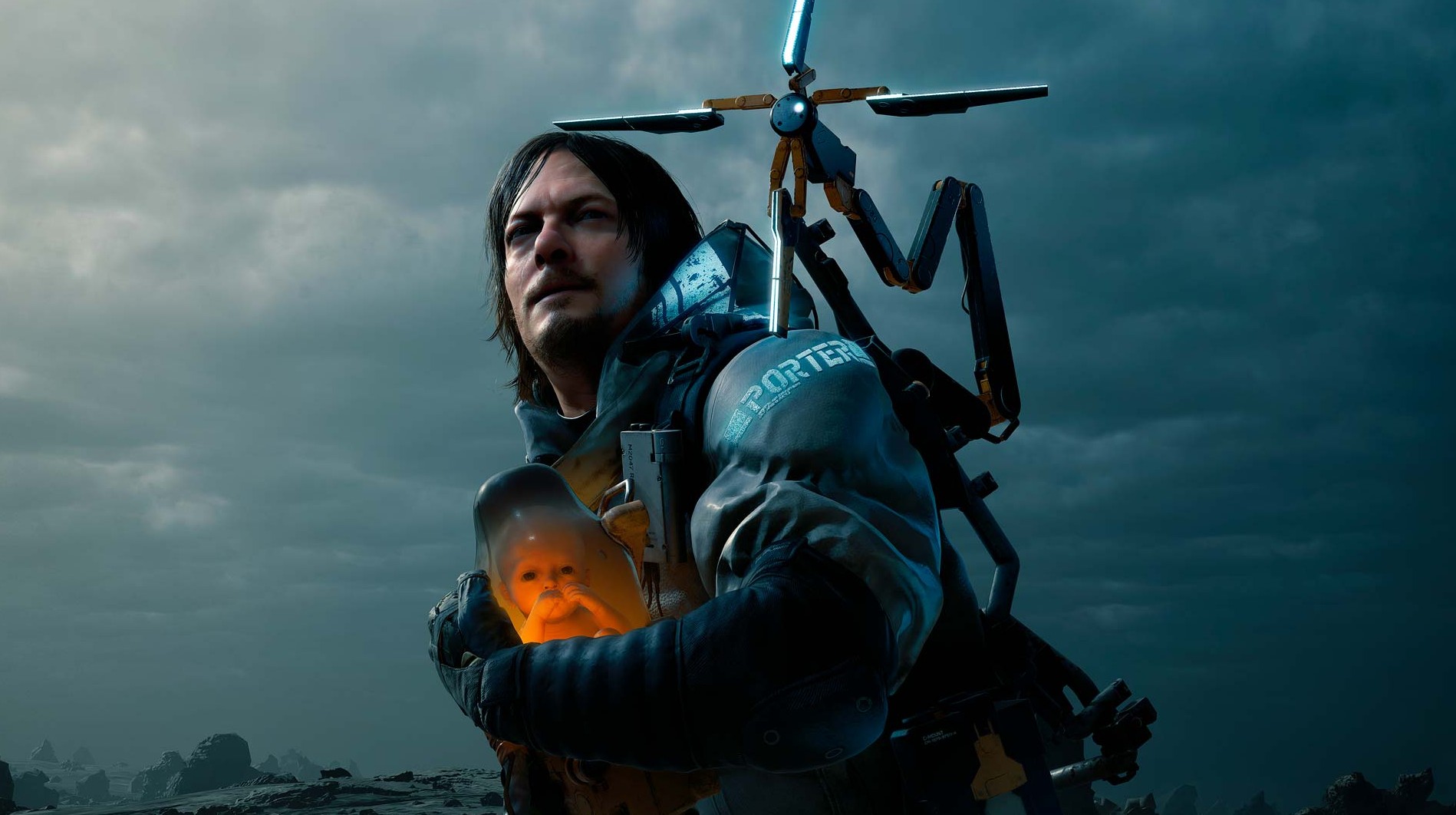
Sam Porter Bridges possesses a relatively low level of DOOMS compared to several other characters in the series, but his condition still grants him unique abilities.
One of Sam’s most important traits is his connection to repatriation. Unlike ordinary humans, Sam can return from death after being killed. This ability makes him a “Repatriate,” which appears to be extremely rare within the universe.
Sam also has the ability to sense BTs, though not perfectly. Interestingly, he relies heavily on BB units to fully detect them. This creates one of the core gameplay dynamics in Death Stranding, where traversal, stealth, and survival mechanics become deeply tied to the relationship between Sam and BB.
His powers are subtle compared to some other characters, but narratively they reinforce one of the game’s biggest themes: survival through connection rather than domination.
Why Does Higgs Have So Many Powers?
Higgs Monaghan is one of the clearest examples of an individual with extremely advanced DOOMS abilities.
Throughout the first game, Higgs demonstrates powers far beyond simple BT sensitivity. He can manipulate tar, summon gigantic BT entities, teleport across large distances, and seemingly control supernatural phenomena directly.
The reason for this appears tied to his relationship with Amelie and the Extinction Entity itself. Higgs was effectively empowered by forces connected to extinction and the Beach, granting him abilities that surpass ordinary DOOMS sufferers.
Unlike Sam, whose powers are defensive and survival-oriented, Higgs represents what happens when someone embraces the chaos and nihilism behind the Death Stranding.
His abilities also serve an important gameplay purpose. In many ways, Higgs functions less like a traditional villain and more like a manifestation of the world’s instability.
What Powers Exist in Death Stranding?
Across Death Stranding and Death Stranding 2, several supernatural abilities are shown or heavily implied.
BT Detection
The most common ability linked to DOOMS is the capacity to sense BTs. Different characters experience this in different ways. Some physically see them, while others only feel their presence.
Repatriation
Sam’s ability to return from death is one of the rarest powers in the series. Mechanically, this becomes the foundation for the game’s unique death system, where dying does not always lead to a traditional game over.
Tar Manipulation
Certain characters can interact with the tar-like substance connected to BTs and the Beach. Higgs demonstrates the most extreme examples of this power throughout the story.
Teleportation
Some advanced DOOMS users appear capable of moving through the Beach or tar in ways that resemble teleportation.
Timefall Resistance or Interaction
Timefall — the supernatural rain that rapidly ages objects — affects the world unevenly. Certain characters appear to interact with it differently, though the full rules remain intentionally mysterious.
Connection to the Beach
Perhaps the most important “power” in the series is not combat-oriented at all. Some individuals possess stronger emotional or metaphysical connections to the Beach itself, allowing them to communicate across dimensions or influence life and death.
Why Do Some Characters Have No Powers?
Not everyone exposed to the Death Stranding develops DOOMS or supernatural abilities.
The games suggest that these conditions are exceptionally rare and likely tied to specific circumstances involving trauma, extinction events, or unusual contact with the Beach.
In many ways, this selective distribution of power helps maintain the grounded tone of the world. Even though Death Stranding contains supernatural concepts, most of humanity still struggles like ordinary people trying to survive after societal collapse.
This balance is important because it prevents the setting from turning into a conventional superhero narrative. The powers in Death Stranding are usually portrayed as burdens, curses, or emotional scars rather than gifts.
How Death Stranding 2 Expands These Ideas
Based on what has been shown so far, Death Stranding 2 appears to explore the supernatural side of the universe even further.
The sequel seems increasingly interested in the instability between worlds, identity, memory, and how humanity evolves after prolonged exposure to extinction-level phenomena.
Several trailers hint at new forms of abilities, altered states of existence, and expanded connections to the Beach. However, Kojima Productions continues to preserve a sense of ambiguity around how these powers truly function.
That ambiguity is part of what makes the series memorable. The mysteries are not always designed to be fully solved. Instead, they reinforce the uncomfortable feeling that humanity is interacting with forces it barely understands.
The Strange Humanity Behind Death Stranding’s Powers
What makes the powers in Death Stranding so compelling is that they rarely feel empowering in a traditional RPG sense. Most abilities are tied directly to loneliness, grief, extinction, or emotional suffering.
Characters are not becoming heroes because they gained supernatural powers. In many cases, they are simply trying to endure a broken world while carrying emotional scars that manifest physically.
That approach gives Death Stranding a tone unlike almost any other modern game. Beneath the strange creatures, cryptic dialogue, and surreal imagery lies a story deeply focused on connection, isolation, and the fear of losing humanity itself.
If you want to experience Kojima’s unusual blend of science fiction, psychological storytelling, and atmospheric exploration, you can check out Death Stranding here.