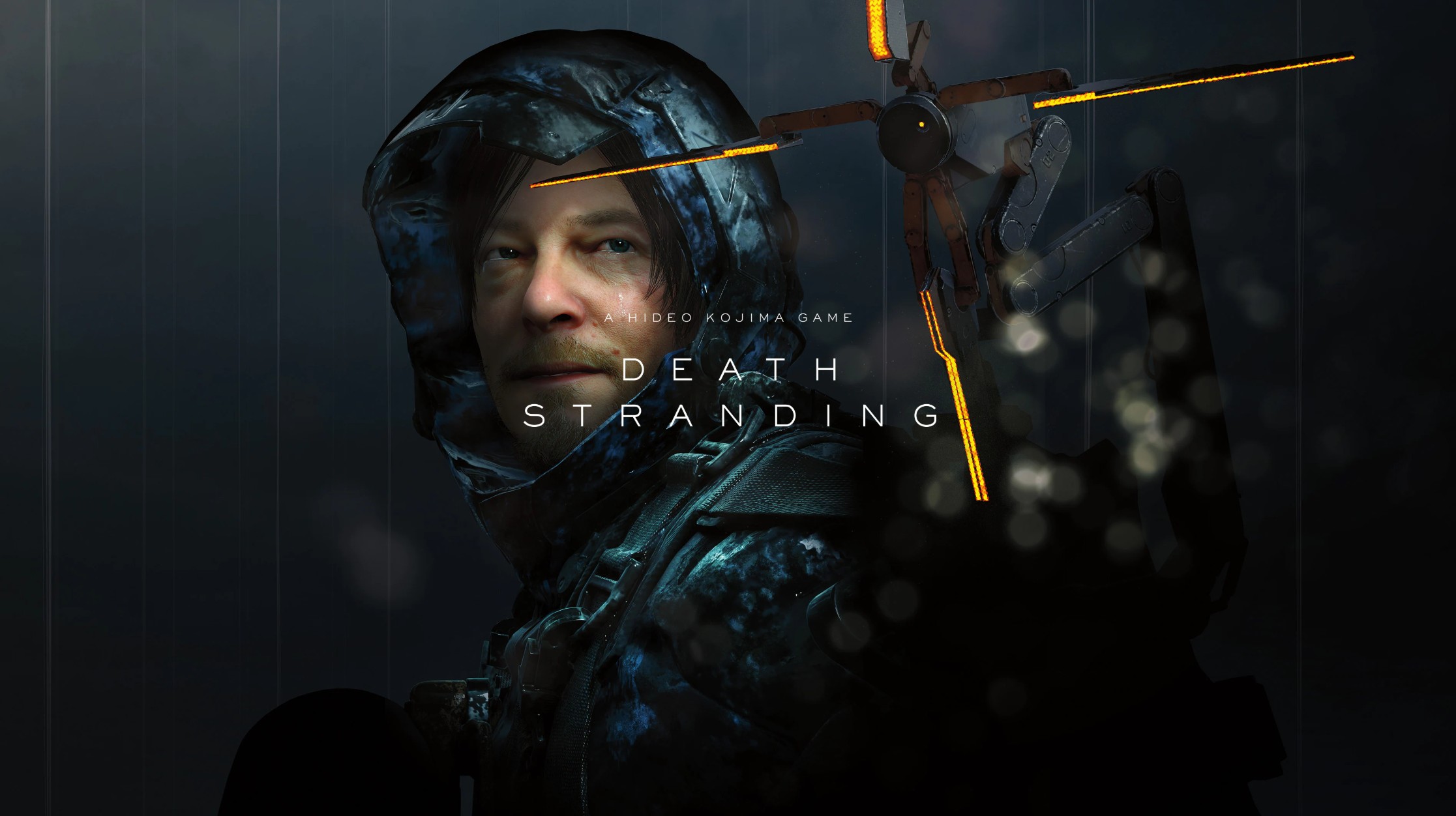
What is Death Stranding? At first glance, it may look like a strange open-world delivery game, but Hideo Kojima’s work is much more layered than that. Death Stranding is a story about isolation, connection, death, memory, and the fragile bridges people build between each other after the world has been broken.
Affiliate disclosure: this article contains affiliate links. If you buy through them, Broken Build Studios may earn a small commission at no extra cost to you.
What Is Death Stranding About?
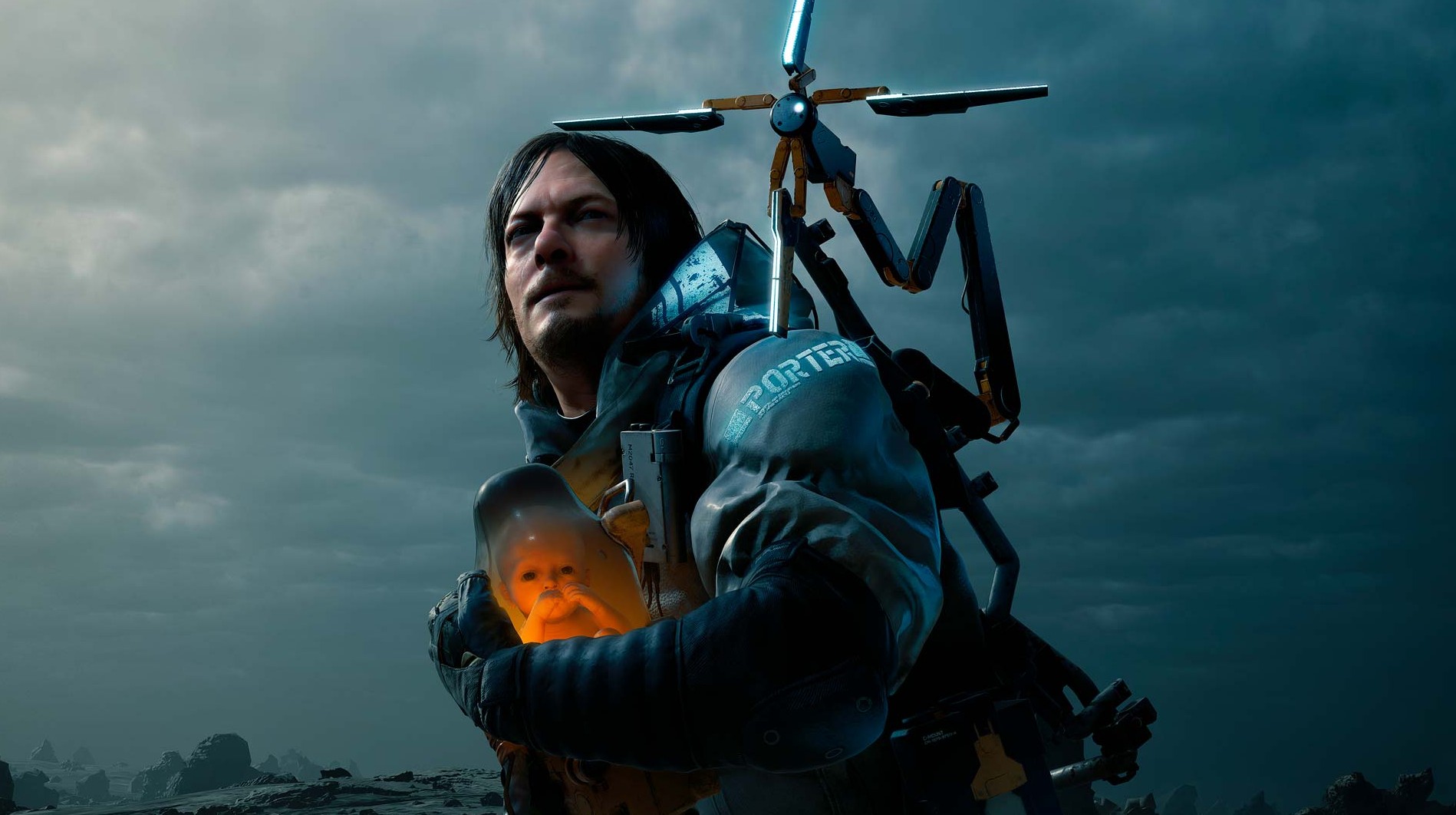
Death Stranding is an action-adventure game developed by Kojima Productions and directed by Hideo Kojima. The game follows Sam Porter Bridges, a courier living in a fractured version of the United States after a mysterious event known as the Death Stranding changed the relationship between life and death.
In this world, society has collapsed into isolated cities and shelters. People no longer live together in large communities. Instead, they hide underground, separated by fear, dangerous landscapes, and supernatural threats. Sam’s mission is to reconnect these separated places through a network called the Chiral Network.
On a basic level, the game asks you to carry cargo from one place to another. But beneath that simple structure, Death Stranding uses traversal, weight, distance, terrain, and loneliness as part of its storytelling. The act of walking becomes part of the emotional experience.
The Meaning Behind Death Stranding
The title “Death Stranding” refers to the event that caused the world of the game to collapse. It also connects to one of the game’s central ideas: things that should remain separate have become connected in unnatural ways. Life and death, the living and the dead, the physical world and the other side are no longer fully divided.
This is why the game feels so strange. Death is not treated as a normal ending. It becomes a force that affects the land, the weather, human society, and even how people communicate. The game builds an entire world around the idea that death has crossed a boundary it was never supposed to cross.
Why Death Stranding Feels So Different
Death Stranding is unusual because it does not follow the typical rhythm of many open-world games. Instead of focusing mainly on combat, loot, or fast exploration, it slows the player down. You have to plan routes, manage cargo, balance Sam’s movement, avoid dangerous areas, and think about the landscape itself.
This can make the game feel repetitive at times, especially during long delivery sections. However, that repetition is also part of the design. The game wants you to feel distance. It wants the mountains, rivers, rain, and empty spaces to matter. Progress is not only about reaching the next cutscene. It is about surviving the path between two points.
Connection as a Gameplay System
One of the most interesting parts of Death Stranding is how it turns connection into a gameplay mechanic. Players can leave structures, ladders, ropes, vehicles, and signs that may appear in other players’ worlds. You rarely meet another player directly, but you constantly feel their presence through what they leave behind.
This creates a quiet kind of multiplayer experience. Someone may build a bridge that helps you cross a river. Another player may leave a warning sign near danger. You may repair a road that helps many other people later. The game uses these small interactions to reinforce its central theme: even when people are separated, their actions can still support each other.
Storytelling, Symbolism, and Kojima’s Style
Death Stranding is complex because it does not explain everything in a simple or traditional way. Kojima’s storytelling often mixes direct exposition with symbolism, cinematic scenes, strange terminology, and emotional character arcs. Because of that, the game can feel confusing, especially in the beginning.
Names, objects, and systems often have symbolic meaning. Bridges are not just physical structures. They represent human connection. Cargo is not just an objective. It represents responsibility. The empty world is not just a map. It reflects emotional distance, grief, and the collapse of society.
Is Death Stranding an RPG?
Death Stranding is not a traditional RPG, but it uses several ideas that RPG fans may appreciate. There is progression, equipment management, worldbuilding, mission structure, character development, and a strong focus on systems. Instead of building a party or choosing classes, the player improves through tools, infrastructure, route knowledge, and deeper understanding of the world.
For players who enjoy RPGs because of atmosphere, lore, character drama, and meaningful journeys, Death Stranding can feel surprisingly close to that emotional space. It is less about leveling up stats and more about slowly becoming part of a world that initially feels impossible to understand.
Why Death Stranding Still Matters
Death Stranding matters because it tried to do something different at a large scale. It is a big-budget game that chose patience, solitude, and discomfort instead of constant action. Not every player will connect with it, and that is part of why it remains so interesting.
The game can be tiring. Some missions may feel heavy, slow, or repetitive. But when its atmosphere, music, landscapes, and story come together, Death Stranding creates moments that feel unique in modern game design.
A Strange Journey Worth Understanding
Death Stranding is not simply a game about delivering packages. It is a game about carrying burdens, reconnecting broken places, and finding meaning in a world where people have forgotten how to trust each other. Its systems can be slow and demanding, but they support the emotional core of the experience.
If you enjoy experimental storytelling, atmospheric open worlds, and games that take creative risks, Death Stranding is worth experiencing with patience. It may not be for everyone, but it is one of those games that stays in your mind long after the journey ends.