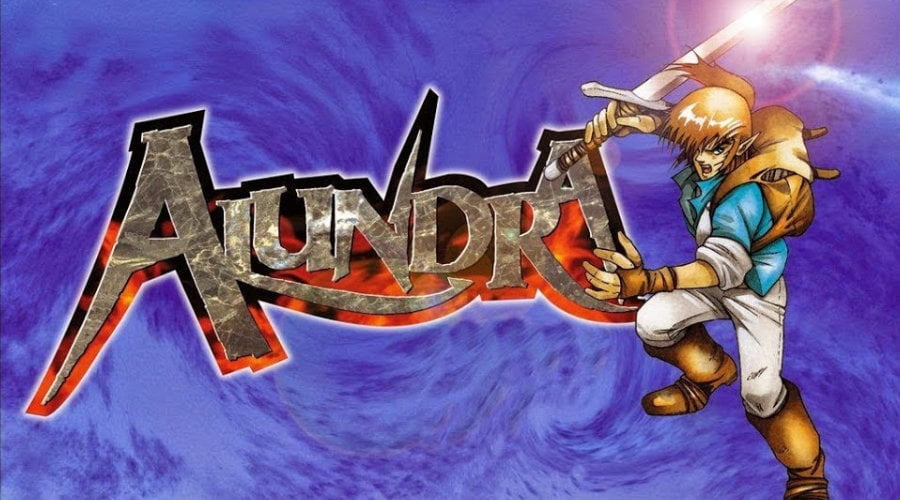
Alundra is one of those classic PlayStation adventures that still feels surprisingly sharp today. It blends action RPG structure, puzzle-heavy dungeon design, dark storytelling, and old-school progression into a Game that deserves more attention from players who love thoughtful retro design.
Affiliate disclosure: this article contains affiliate links. If you buy through them, Broken Build Studios may earn a small commission at no extra cost to you.
Why You Should Play Alundra Today
There are many retro games that are remembered mostly because of nostalgia. Alundra is different. It is nostalgic, yes, but it also holds up because its core design has substance. The game asks the player to observe, think, explore, fail, retry, and gradually understand how its world works.
At first glance, it may look like a familiar top-down action-adventure from the PlayStation era. But the more time you spend with it, the more it reveals a stronger identity. The tone is darker than many games from its generation, the puzzles demand real attention, and the dream-based structure gives the story a strange, unsettling rhythm.
Alundra Is More Than Just a Retro Action RPG
One of the strongest reasons to revisit Alundra is how confidently it mixes genres. It has the exploration and item-based progression of a classic adventure game, the atmosphere of a darker fantasy RPG, and the moment-to-moment pressure of real-time combat.
This is not a game built around constant rewards or fast progression. Instead, it rewards patience. You move through villages, dungeons, dream worlds, and dangerous environments while slowly piecing together what is happening around you. That slower structure makes the world feel heavier and more memorable.
A Game Built Around Observation
Modern games often guide players with markers, maps, icons, and direct instructions. Alundra comes from a different design philosophy. It expects you to pay attention to dialogue, room layouts, enemy behavior, switches, obstacles, and environmental clues.
That design can feel demanding, but it also makes progress satisfying. When you solve a difficult puzzle or finally understand how a dungeon is structured, the victory feels earned. For players interested in game design, this is one of the most interesting parts of the experience.
The Dream Concept Gives Alundra a Strong Identity
The central idea behind Alundra is still fascinating: the hero can enter dreams. This gives the game a narrative excuse to explore strange spaces, symbolic environments, and darker emotional themes without fully abandoning the structure of a classic adventure.
Dreams are not treated only as visual gimmicks. They become part of the game’s storytelling and level design. Each dreamlike sequence can feel disconnected from reality, but still connected to the fear, pain, or conflict of a character. This creates a stronger connection between narrative and gameplay.
Challenging Puzzles Are Part of Alundra’s Personality
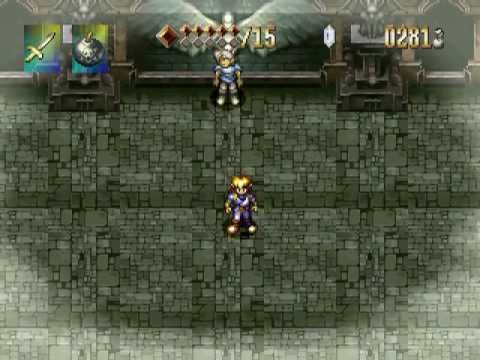
If there is one thing players often remember about Alundra, it is the puzzle design. This is not a passive adventure where the player simply moves from one objective to the next. The game regularly stops you and asks you to solve something before moving forward.
Some puzzles are simple. Others are much more demanding. That difficulty is part of the game’s identity. It creates friction, but also makes the world feel less disposable. You are not just consuming content. You are learning the language of the game.
Why the Difficulty Still Matters
From a modern perspective, some parts of Alundra may feel unforgiving. But that challenge also gives the game weight. Every dungeon feels like a real place with its own logic. Every completed section feels like a small achievement.
For RPG and adventure fans, this is valuable. It shows how difficulty can support atmosphere, pacing, and player memory. A game does not always need to be smooth to be meaningful. Sometimes, resistance is what makes the experience stay with you.
Alundra’s Darker Tone Makes It Memorable
Another reason why Alundra is worth playing is its tone. While many console RPGs from the era leaned into heroic fantasy, colorful worlds, or grand adventure, this game often feels more tragic, mysterious, and uncomfortable.
The dream concept allows the story to touch on fear, guilt, loss, faith, and psychological tension. It does not need constant spectacle to feel intense. The unease comes from the setting, the characters, and the sense that something is deeply wrong beneath the surface.
That atmosphere makes the game especially interesting for players who enjoy RPG storytelling with darker themes. It is not horror in the modern sense, but it has a strong sense of dread and mystery.
What Game Developers Can Learn from Alundra
From a game development perspective, Alundra is a useful study in how mechanics, story, and world structure can support each other. The dream-walking idea is not just lore. It affects level design. The puzzles are not just obstacles. They shape the pacing. The difficulty is not random. It reinforces the feeling of being trapped inside dangerous, symbolic spaces.
For indie developers, RPG designers, and retro game fans, this is one of the best reasons to revisit the game. It shows how a relatively focused concept can create a memorable identity when the entire experience is built around it.
Progression Without Losing Mystery
Good progression is not only about becoming stronger. It is also about understanding more. Alundra understands this well. As the player advances, the game opens new areas, introduces harder challenges, and deepens the mystery behind its world.
This creates a strong loop: explore, discover, struggle, solve, and move deeper into the story. It is simple on paper, but difficult to execute well. That is why the game still feels relevant from a design perspective.
Should You Play Alundra on Original Hardware or a Modern Setup?
For collectors, playing on an original PlayStation Console can be part of the charm. The visual texture, controller feel, and old-school presentation all help preserve the original experience.
For most players, the important thing is simply to experience the game in a way that feels comfortable and legal. Whether you are revisiting it as a collector, discovering it as a retro RPG fan, or studying it as a game designer, Alundra is still worth your time.
Final Thoughts: Alundra Still Deserves Attention
Alundra is not just a forgotten PlayStation title. It is a dark, challenging, and carefully designed action RPG that still has something to teach players and developers. Its puzzles can be demanding, its tone can be heavy, and its pacing may feel old-school, but those qualities are also what make it memorable.
If you enjoy retro RPGs, thoughtful dungeon design, dreamlike storytelling, and games that respect the player’s attention, this is absolutely a title worth revisiting. You can check availability for Alundra here and see why this classic adventure still has a strong place in PlayStation history.