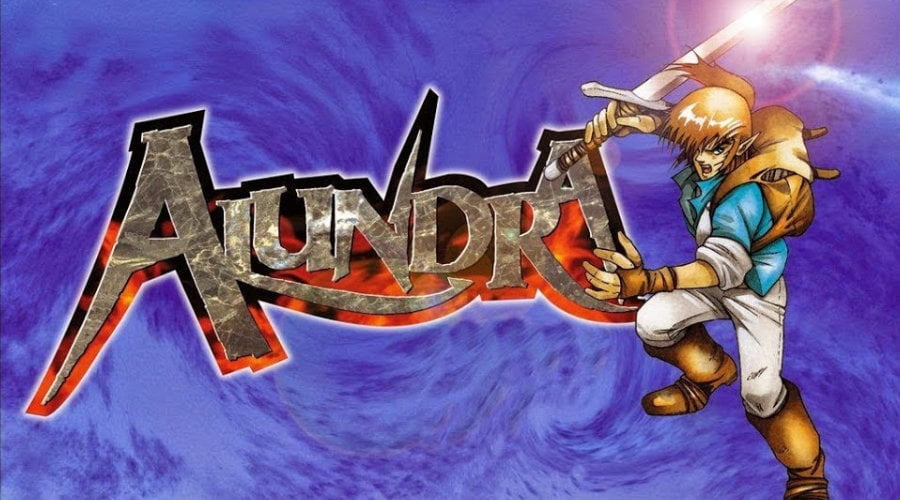
Alundra
Alundra is a classic PlayStation action-adventure game known for its dark storytelling, challenging puzzles, and dream-based narrative. This profile looks at why the game still feels memorable as a thoughtful blend of adventure design, RPG atmosphere, and emotional worldbuilding.
Game Overview
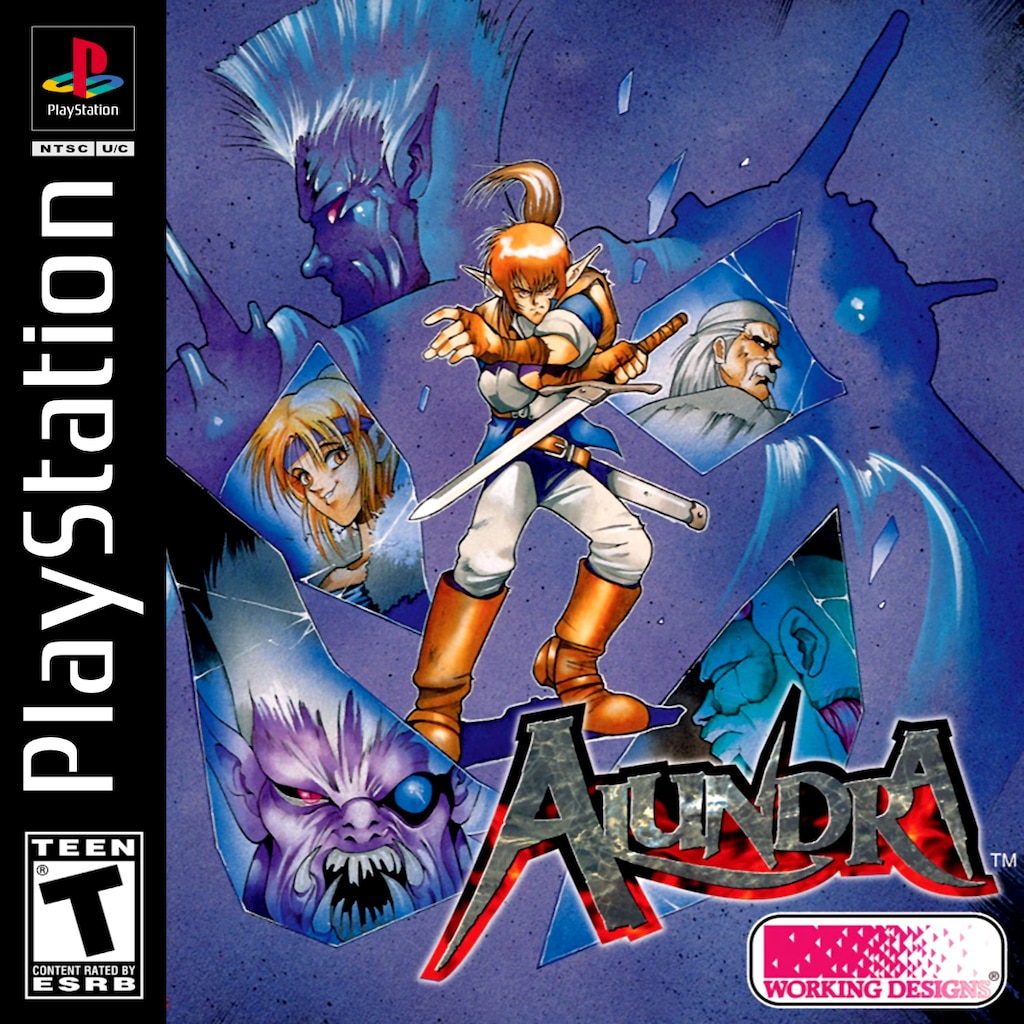
Alundra is one of those PlayStation-era games that stayed in memory not only because of its gameplay, but because of the strange, melancholic atmosphere it created. At first glance, it feels like a top-down action-adventure with puzzle-heavy dungeons, exploration, and real-time combat, but its identity comes from the way it uses dreams, nightmares, and personal tragedy as part of the player’s journey.
The game follows Alundra, a young man with the ability to enter people’s dreams. This idea gives the game a distinct narrative structure: every dream becomes more than just a dungeon or challenge — it becomes a reflection of fear, trauma, or conflict. That makes Alundra feel more personal and darker than many adventure games from the same period.
From a design perspective, Alundra is especially interesting because it focuses heavily on player skill, puzzle solving, spatial awareness, and persistence. It does not rely on traditional RPG leveling in the same way many games of its era did. Instead, progression often comes from learning the game’s logic, mastering its movement, and understanding how each dungeon is built.
For Broken Build Studios, Alundra is relevant because it shows how a game can feel like an RPG without depending entirely on numbers, menus, or grinding. Its world, tone, characters, and sense of danger all contribute to an experience that feels adventurous, emotional, and memorable. It is a strong example of how atmosphere and structure can turn a classic action-adventure into something that still feels meaningful decades later.
Curiosity
Alundra is often remembered for avoiding traditional experience-point progression, making player skill and puzzle mastery a central part of the adventure.
Personal Opinion
Alundra was a very fun game for its time, and I remember getting strongly hooked on it. It had that kind of adventure design that made me want to keep exploring, solving puzzles, and pushing forward just to see what would happen next.